Rough Tough Fat Felt Tip Mono Review
First Impressions: A Bold Statement in Embroidery
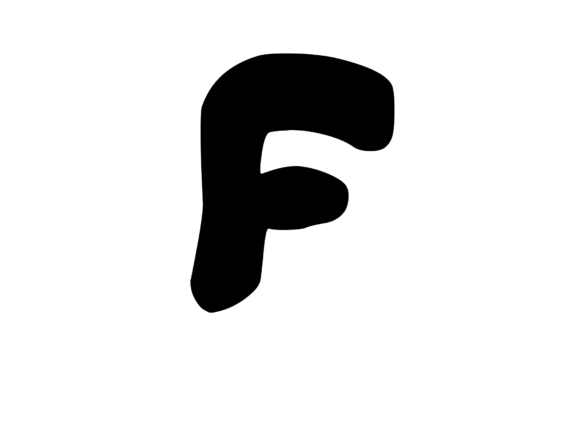
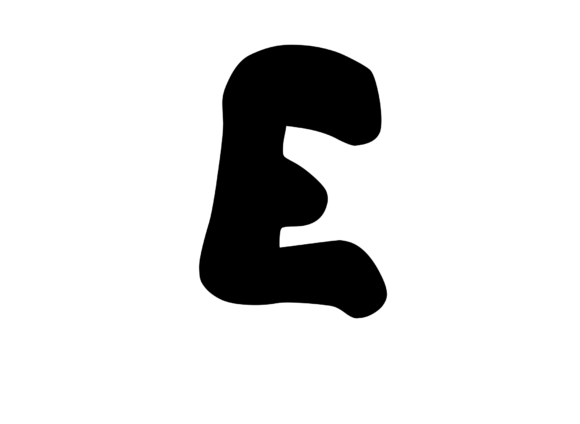
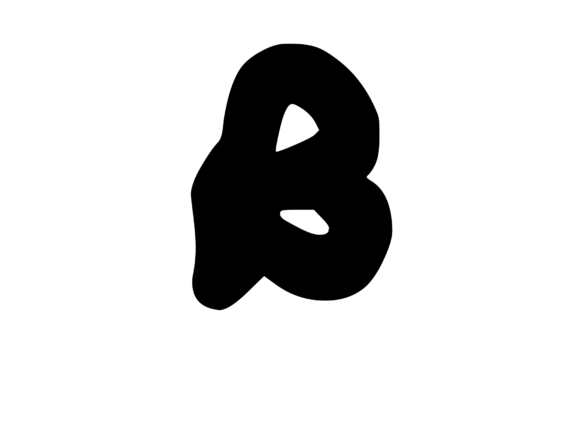
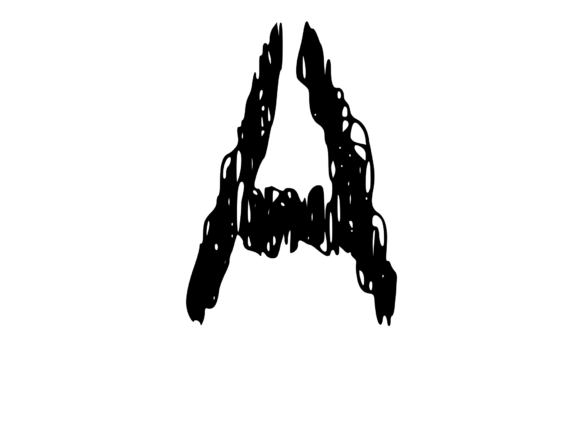
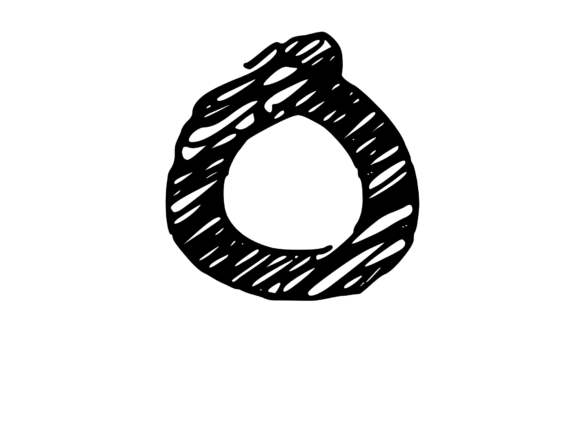
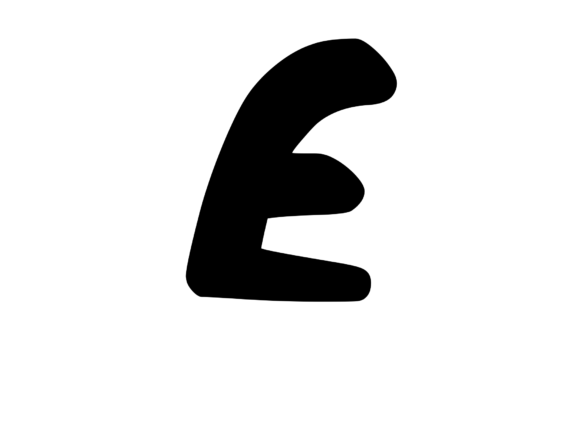
When I first opened the Rough Tough Fat Felt Tip Mono SVG file, I was struck by its raw, almost tactile energy. The design feels like a visual representation of texture itself—like a felt tip pen dragged across a surface with purpose and intention. It’s not a delicate or intricate pattern; it's more about presence and impact. This makes it perfect for projects where you want to make a statement without being overly detailed.
The mood it creates is rugged yet artistic. It leans into imperfection in a way that feels intentional, which could be a great fit for handmade products that embrace a “wabi-sabi” aesthetic. The layout is simple but effective, with a focus on negative space and bold outlines. It doesn’t scream for attention, but it definitely holds its ground when placed on fabric.
Real-Life Scenario: Custom Tote Bag Design
Imagine preparing a custom embroidered tote bag for a small shop that sells eco-friendly products. The Rough Tough Fat Felt Tip Mono would be an excellent choice for a front panel or as a decorative accent. It has the kind of character that makes customers pause and take notice, especially when paired with natural fabrics like canvas or linen.
I can see this design working well on a large hoop size, allowing the full form of the image to come through. However, if you were using it on something smaller, like a patch or cap, you’d need to scale it carefully to maintain clarity and avoid distortion. The detail level is moderate, so it won’t overwhelm a simple garment, but it will add enough personality to stand out from generic embroidery options.
For a customer looking for a unique gift, this design could elevate a basic tote into something memorable. It also has the potential to become a signature element for a craft business, helping build brand recognition through consistent use across product lines.
Performance in Real Embroidery Projects
The Rough Tough Fat Felt Tip Mono works particularly well for custom apparel, such as sweatshirts, t-shirts, and even baby clothes. Its bold outline makes it easy to stitch cleanly, even on stretchy or textured fabrics. However, I recommend testing it on scrap fabric first to ensure the thread colors contrast well and that the stitch density isn’t too heavy for the material.
It’s also a solid choice for embroidered patches or tote bag designs. On lighter-colored fabrics, the design shines, while on darker ones, you might need to adjust the thread color or add a stabilizer to prevent shifting. For sweatshirt embroidery, I’d suggest using a high-quality stabilizer to keep the design from puckering, especially around the edges.
If you’re planning to use this for holiday embroidery or nursery decor, consider how the texture of the design interacts with the fabric. It might not be ideal for very thin or stretchy materials, but it works beautifully on thicker, sturdier fabrics like denim or flannel.
Where to Use with Caution
While the Rough Tough Fat Felt Tip Mono is versatile, there are a few scenarios where it might not perform as well. For example, on small hoop sizes, the design might lose some of its visual impact or become distorted. Similarly, if you're working with textured fabrics or thin fabric, the stitch density may cause puckering or uneven results.
Stretchy fabric and curved surfaces like caps require extra attention, as the design’s sharp edges may not align perfectly after stitching. Also, if you're using it on dark fabric or layered garments, be sure to test the thread colors and consider using a light-colored stabilizer underneath for better visibility.
For tiny lettering or dense stitch areas, this design might not be the best fit. Its simplicity is its strength, but that also means it lacks the fine detail needed for highly intricate work.
Design Notes for Embroidery Professionals
If you're considering using the Rough Tough Fat Felt Tip Mono in your craft business or for Etsy sellers, here are a few practical tips:
- Test on scrap fabric before committing to a final project. This helps you check stitch density, thread color contrast, and overall appearance.
- Review the stitch density to ensure it’s appropriate for the fabric you're using. Too dense, and it might look stiff; too sparse, and it might lack definition.
- Confirm the hoop size required for the design. If it’s larger than expected, you may need to adjust or scale it accordingly.
- Inspect small details closely, especially if you plan to use it on items like patches or caps.
- Test in black and white mockups to see how the design translates on different fabric backgrounds.
- Use proper stabilizer to prevent shifting or puckering, especially on stretchy or thin materials.
- Check licensing terms before selling finished items or digital products. Ensure you have the right to use the design commercially.
This design is a great addition to any embroidery project that needs a touch of boldness without overwhelming the viewer. Whether you're creating personalized gifts, small shop products, or commercial embroidery, the Rough Tough Fat Felt Tip Mono brings a sense of authenticity and character that can help your finished product stand out in a crowded market.