Spotty Heart 1 Review for Embroidery Projects
A First Glance at Spotty Heart 1
When I first opened the Spotty Heart 1 embroidery design, I was immediately drawn to its playful yet elegant aesthetic. The design feels like a perfect balance between whimsy and sophistication—ideal for projects that need a touch of personality without being too over the top. It's a great example of how a simple motif can be elevated with thoughtful details.
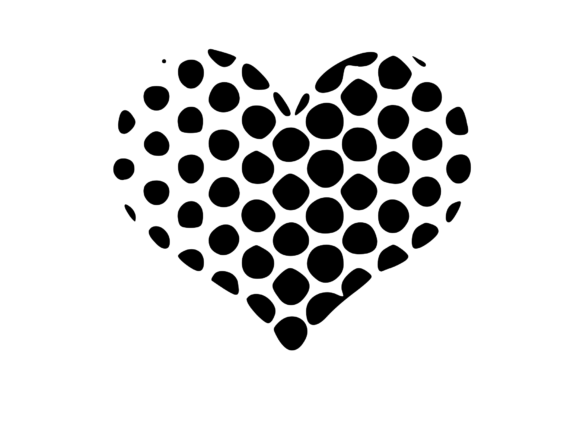
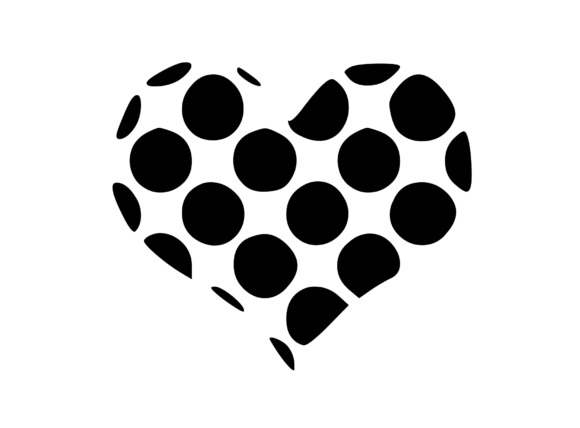
The heart shape is central to the design, but what stands out is the pattern of small dots surrounding it. This adds texture and visual interest, making it more than just a basic heart symbol. The layout is symmetrical, which gives it a sense of order, while the scattered dots add an element of randomness that feels organic and hand-crafted.
This design would naturally fit into a range of creative endeavors—from personalized gifts to boutique branding. Its clean lines and minimal detail make it versatile enough to work well on both simple and complex backgrounds.
Real-Life Application: Custom Tote Bag Design
Let’s imagine using Spotty Heart 1 in a real-world scenario. Suppose I’m preparing a custom embroidered tote bag for a local artisan market. The tote needs to stand out but also remain timeless. I decide to place the Spotty Heart 1 design on the front, centered and slightly scaled up for visibility.
During the stitching process, I notice that the dot pattern adds subtle dimension without overwhelming the fabric. The spacing between the dots allows for good stitch clarity, and the heart itself remains bold and recognizable. On a light-colored canvas, the design pops nicely, but I’d want to test it on darker fabrics as well to ensure it still holds its charm.
I can see this design working well on sweatshirts, baby clothes, or even aprons. For a tote bag, the placement and scale are crucial—too small and it gets lost; too large and it becomes distracting. A moderate size seems ideal, especially when paired with a stabilizer to prevent puckering around the edges.
Performance in Real Embroidery Situations
Spotty Heart 1 performs well in most common embroidery applications. It looks great on custom apparel like t-shirts and sweatshirts, where the fabric is smooth and the design can be clearly defined. It also works well on tote bags, especially when used with a satin stitch around the heart and fill stitches for the dots.
For baby items, such as onesies or blankets, the design’s gentle nature makes it a safe and appealing choice. The dots provide a soft, playful look that’s suitable for children. When applied to caps or patches, the design needs careful placement to avoid distortion from the curved surface.
In commercial embroidery settings, the design could be a go-to option for small shop products or Etsy listings. Its versatility makes it a solid asset for any craft business looking to offer unique, branded merchandise.
Where to Use with Caution
While Spotty Heart 1 is a strong design, there are certain scenarios where it might require extra attention. For instance, when using it on small hoop sizes, the detail level may become too dense, causing the dots to merge or lose definition. Testing the design on scrap fabric before committing to a final product is always a good idea.
On textured or stretchy fabrics, the design might not hold up as well unless the right stabilizer is used. Similarly, if the background is dark, the thread color contrast must be carefully chosen to ensure the design remains visible.
For products that will undergo frequent washing, like pillow covers or kitchen towels, the stitching density should be reviewed to prevent fraying or loosening over time. These considerations are essential for ensuring the finished product maintains its quality and appeal.
Design Notes for Embroidery Professionals
If you're planning to use Spotty Heart 1 in your next project, here are a few practical tips:
- Test the design on scrap fabric before moving forward. This helps identify any potential issues with stitch density or detail clarity.
- Check thread color contrast against different fabric backgrounds. A white or light gray design may not show up well on dark fabric unless the thread color is adjusted accordingly.
- Review stitch density to ensure it’s appropriate for the fabric type and intended use. Too many stitches can cause puckering, especially on thin or stretchy materials.
- Confirm hoop size based on the design’s dimensions. A larger hoop may be necessary to accommodate the full detail without crowding the design.
- Inspect small details like the dot pattern to ensure they remain distinct after stitching.
- Use proper stabilizer to maintain fabric integrity and prevent distortion, especially on delicate or stretchy materials.
- Test in black and white mockups to assess how the design translates in different lighting conditions and fabric types.
- Compare light and dark fabric backgrounds to determine the best thread colors for each.
- Ensure licensing compliance before selling any finished products or digital assets derived from the design.
By following these steps, you can ensure that Spotty Heart 1 turns out as beautifully stitched as it looks on screen. Whether you're creating handmade products, personalized gifts, or commercial embroidery designs, this file offers a solid foundation for creativity and professionalism.